

In 1986, Gaetano began his journey as a winemaker, determined to produce still wines capable of long ageing. After working alongside his father for many years, Nicola now leads the winery.

The Solenghi story began in 1983, when Gaetano decided to leave his office job and devote himself to a small vineyard of about one hectare. It belonged to Maria Teresa, his paternal aunt. That vineyard marked the beginning of our wine production in 1986.
From the outset, Gaetano worked alongside Celsino, a farmer born in 1920 who had tended that same vineyard. Celsino taught him how to understand the vines and follow the rhythm of the seasons. That knowledge was also passed on to Nicola, who grew up working beside his father and now carries the winery forward.
At a time when the focus was largely on increasing yields, Gaetano chose to keep grass growing between the rows, avoid chemical fertilisers and limit the vines’ production. In the early 1990s, he expanded the vineyard to the nearly three hectares we farm today. Barbera, Croatina and Malvasia di Candia Aromatica remain the grape varieties at the heart of our work.
Our vineyard is a single cru of almost three hectares, at approximately 200 metres above sea level on the left bank of the Tidone stream.
We cultivate Barbera, Croatina and Malvasia di Candia Aromatica in a single vineyard facing south and southwest. Soil composition and vine age vary within the same plot.
The soil is characterised by clay-rich marl belonging to the Argille della Val Tidone geological formation. In the lower part of the vineyard, where the stream once flowed, pebbles are more abundant and help drainage. This is where the parcel planted in 1969 is located.
Barbera and Croatina predominate in the historic vineyard, where many vines were field-grafted. Looking closely at vines of the same variety, you can see differences in the shapes of their leaves and bunches. This diversity is one reason we continue to cultivate and preserve our oldest parcel.
Over the years, we have replaced dead vines and repaired damaged supports. We take scion wood from the oldest vines to graft onto young rootstocks for new plantings, seeking to preserve some of the diversity found in the 1969 vineyard in our newer parcels as well.
We farm our vineyard according to organic viticulture principles. We grow local grape varieties and limit yields to harvest healthy, ripe bunches.
Our vineyard has been certified organic since 2017. We maintain grass cover between the rows, avoid chemical fertilisers and protect plant diversity across our parcels. To protect the vines against the main fungal diseases, we use copper- and sulphur-based products.
Pruning and leaf removal are carried out by hand. We remove some of the leaves around the bunches to improve airflow through the canopy. We also limit shoot topping—the trimming of shoot tips—to reduce the growth of lateral shoots.
We decide how much fruit to thin each year according to the season. We observe vine vigour, crop load and how the grapes are ripening. Where the crop load is higher, we thin more severely and, when necessary, leave just one bunch per shoot. Selection continues at harvest, when we pick strictly by hand into crates.
Our wines begin with healthy grapes harvested at the right stage of ripeness. For wines intended for long ageing, we choose maturation in oak. We bottle without filtration.
Quality is our philosophy. Quality means respect for the local area, the environment and, most importantly, respect for our customers by providing wines with an unrivalled flavour.
We harvest by hand into 20 kg crates so the bunches reach the winery without being crushed. Before crushing, we carry out a second selection. Fermentation begins with the yeasts naturally present on the grape skins. The length of maceration—the time the juice spends in contact with the skins—varies according to the grapes and the wine we want to make.
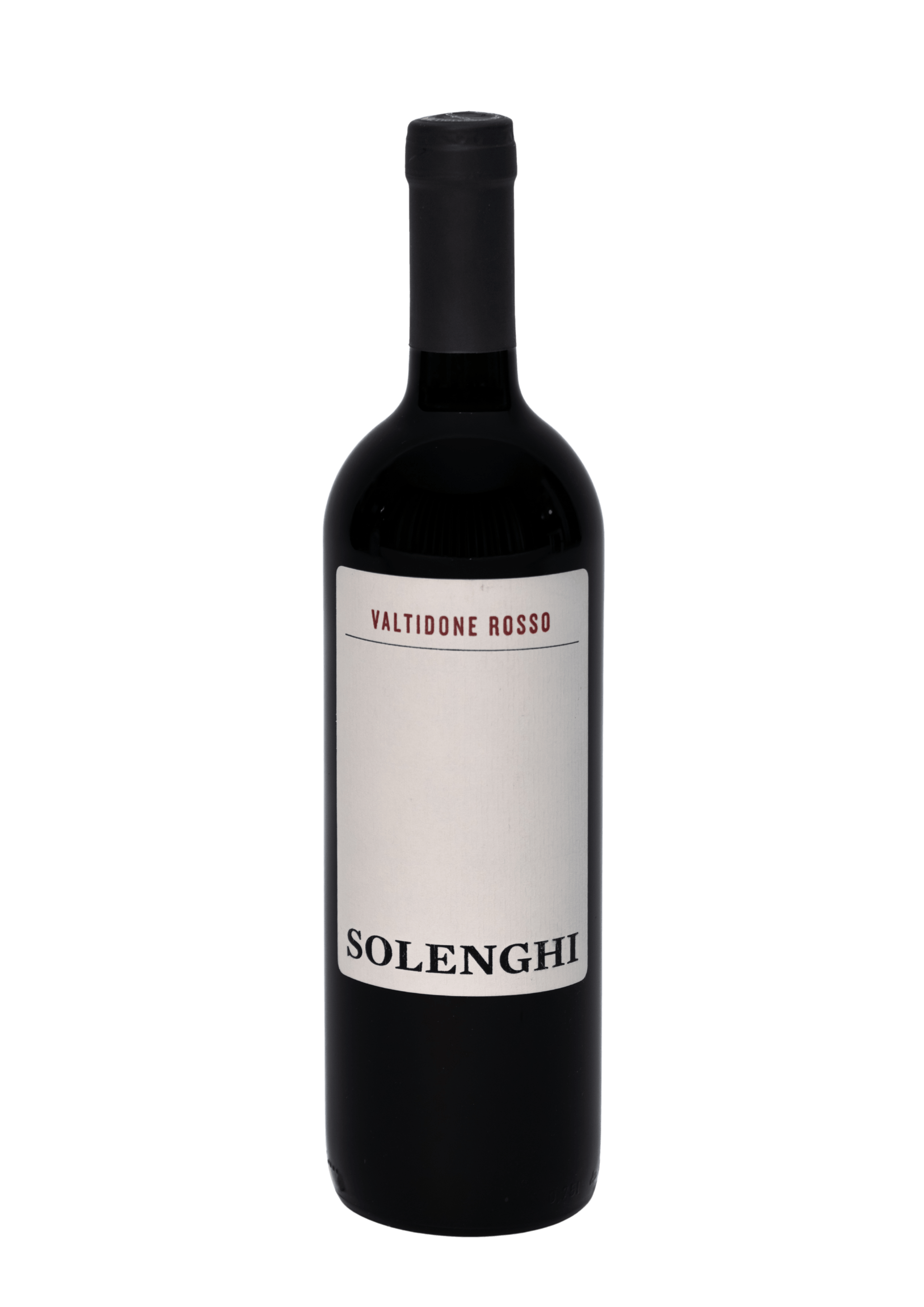
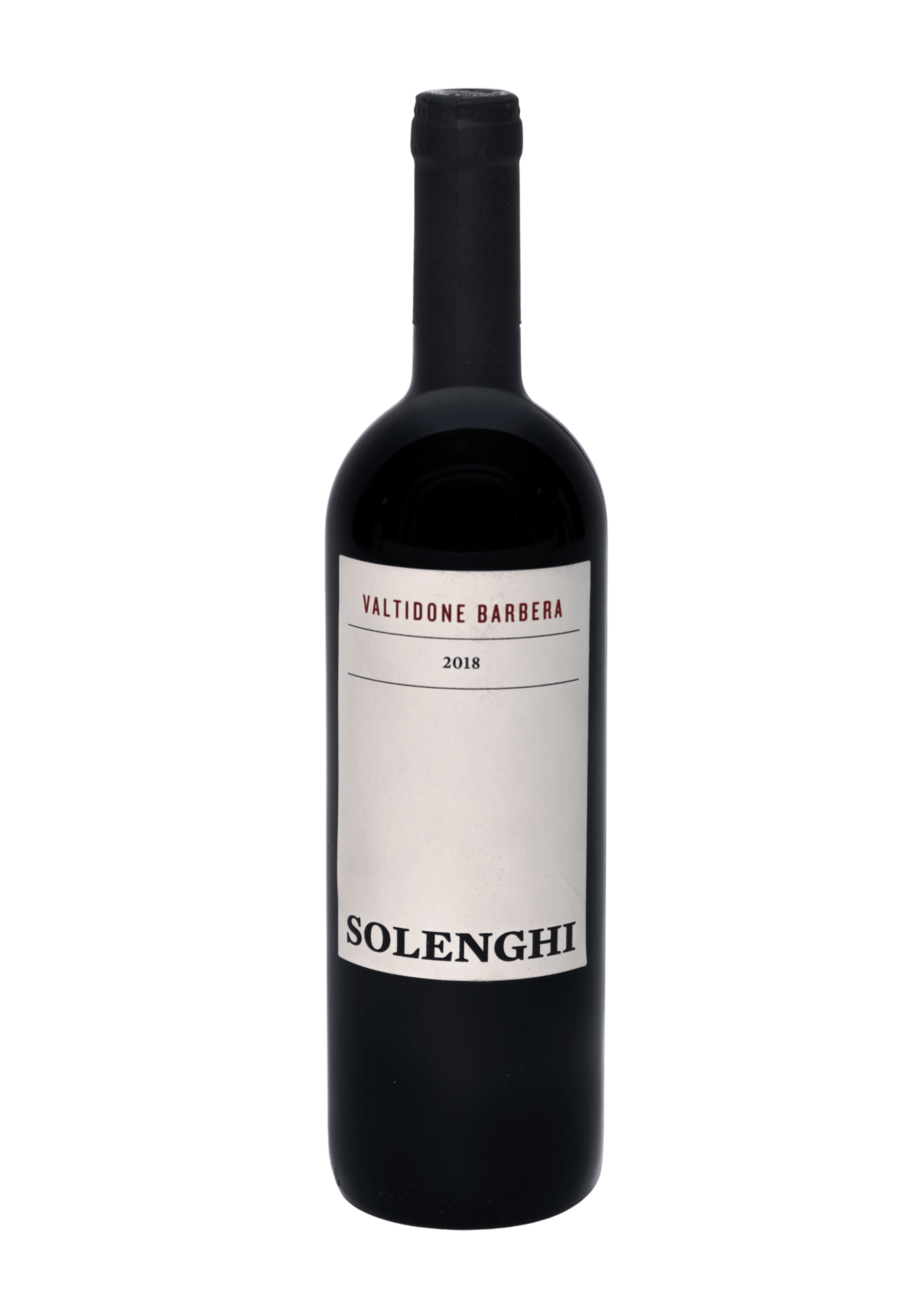
For Valtidone Bianco and Valtidone Rosso, our more immediate expressions of the local grape varieties, we choose stainless steel. For other wines, the process continues in oak. Our still Malvasia ferments and matures in tonneaux, while Barbera L’attesa and Battirosso spend three years in oak barrels before bottling. During maturation, the wine settles and clarifies naturally, allowing us to bottle it without filtration.
Every year, we retain a portion of the bottles of our long-ageing wines in the cellar. Tasting different vintages over time allows us to observe how the wines develop in bottle and to preserve a record of the harvests and the work carried out in the winery.
Discover Our Wines


Our winery is located in Battibò di Corano, in the hills of Borgonovo Val Tidone. If you come to visit us, you can also explore Val Tidone’s villages, fortresses, castles and walking trails.
For information about our wines, available vintages or technical sheets, please email or call us.
di Solenghi Nicola
Loc. Battibò di Corano 160
Borgonovo Val Tidone (PC)


